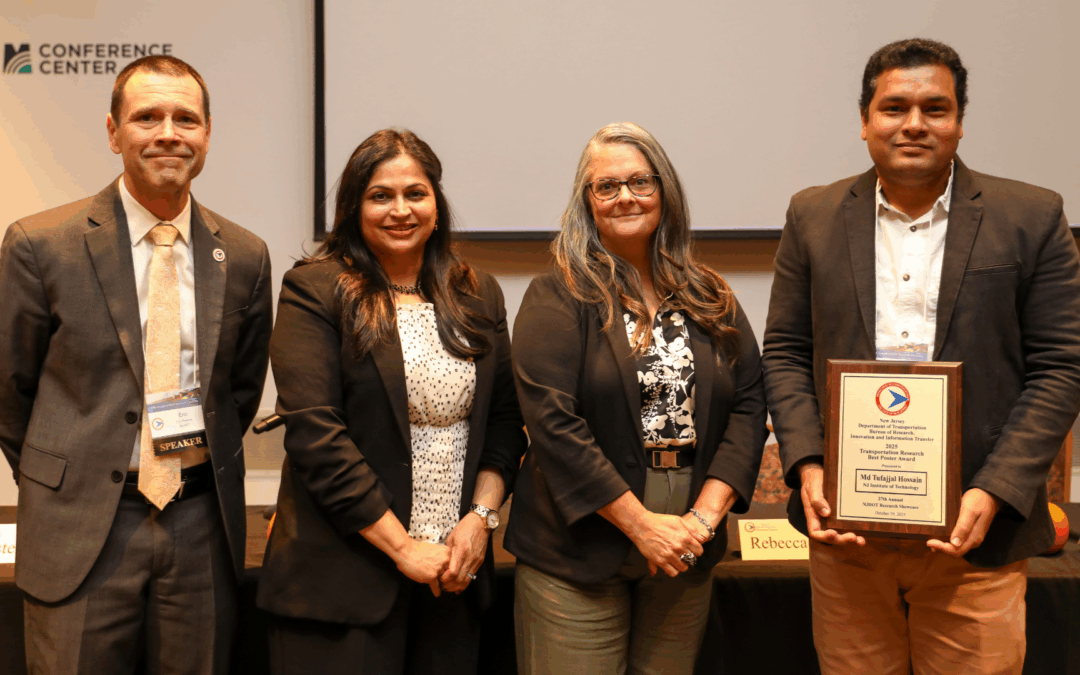

Interview with 2025 NJDOT Research Showcase Outstanding Student: Xiaoyu Zhang

Rutgers PhD student Xiaoyu Zhang received the 2025 NJDOT Outstanding University Student in Transportation Research Award for his contributions to pavement engineering, traffic safety, and emerging sensing technologies. His work spans pothole detection, friction modeling, and variable speed limit systems, reflecting a blend of traditional engineering, computer vision, and machine learning. In this interview, he discusses his research journey, current projects, and how he hopes to translate innovative research into practical tools for transportation agencies.

Research Journey

Q. Congratulations on receiving the 2025 NJDOT Research Showcase Outstanding University Student in Transportation Research Award. Could you share a bit about your educational and research experience and how you became a PhD student researcher at Rutgers University?

A. First, I am truly honored to receive the NJDOT Outstanding Student Award. I know there are many excellent students in this field, so I really appreciate the committee’s consideration, and my advisor, Dr. Hao Wang, for his continuous support and guidance.

I received both my bachelor’s and master’s degrees in transportation engineering from Southeast University in China, where Dr. Wang also began his academic career. After my master’s program, I worked for two years with a highway design company, where I worked on project feasibility studies. This helped me gain real-world experience in transportation safety and policy, but the work itself was less innovative.

My path to Rutgers started when my master’s advisor informed me that Dr. Wang was recruiting PhD students and his research had a strong overlap with my previous work. During my master’s, I worked on 3D pavement surface scanning and data processing. I reached out to Dr. Wang and we arranged an online meeting, which made me more confident that Rutgers and this team were the right place for me. Soon after, I received the offer from Dr. Wang and decided to join. It was a big challenge to move to another country, but also a great opportunity to work with this innovative, highly productive research group.

Innovative Pothole Detection

Q. You’re working on the NJDOT-sponsored Innovative Pothole Repair Materials and Techniques project. What drew you to this research, and what are its key goals?

A. For the Innovative Pothole Repair Material and Techniques project, the first phase focused on asphalt pavement pothole repair, which was successfully completed by Dr. Wang and Dr. Xiao Chen. In phase two, our focus has shifted to concrete pavement pothole repair, and we are collaborating with Dr. Husam Najim and his team.

I’m particularly interested in the innovative techniques side of the project, especially for pothole detection. Our team decided to develop a low-cost 3D imaging system for pothole detection and assessment. The system can estimate a pothole’s volume and depth, which is helpful for determining severity and the amount of materials needed for repair. Currently, NJDOT conducts pavement assessments biannually, but potholes can develop and deteriorate very quickly. Our goal is to create a low-cost, efficient system for pothole detection and rapid repair, helping agencies identify and fix potholes earlier to prevent damage to the roadway and cars.

Our system uses three cameras to capture three images at different angles. Those images are processed in our algorithm in just a few seconds to generate a 3D model of the pothole to extract the volume, depth, and the area of the pothole. In our lab, we created a test pothole and scanned it with a high-resolution handheld 3D laser scanner, which costs around $30,000, and our low-cost, three-camera imaging system, which costs less than $1000. I found that there is less than a 1 percent relative error between the two systems. This demonstrates that our method provides sufficient accuracy for practical applications compared to commercial laser scanners.

3-Camera Imaging System. Image courtesy of Xiaoyu Zhang

Additionally, while the laser scanners are very accurate, they are also expensive, time-consuming, and hard to mount on moving vehicles. In contrast, our system uses compact and affordable GoPro cameras, which are easy to mount and resistant to vibrations. This makes our system much more suitable for our main goal: providing a rapid, low-cost estimation of pothole geometry.

Q. What would be the next steps? Is it just implementation at this point or is it further refining of the process?

A. Our next goal is to adapt this low-cost system for real-world use. There are several challenges we need to address before deployment, such as handling the continuous video data, managing vehicle vibration and speed, optimizing the camera mounting height and angle, and improving the real-time processing algorithm. We aim to make the system more robust and user-friendly for transportation agencies. Ultimately, our goal is to have this system easily mounted on a regular car. After a simple calibration, it could automatically detect potholes during daily driving and provide real-time information for quick pothole repair decisions.

Pavement Resource Program

Q. You also contribute to the NJDOT Pavement Resource Program. What aspects of the project are you involved in, and what potential benefits could this work provide to NJDOT and the broader transportation field?

Polishing Machine. Image courtesy of Xiaoyu Zhang

A. I have been working on the Pavement Resource Program for about two years. This is a long-term research program conducted by Rutgers Pavement Lab in collaboration with NJDOT, and the goal is to understand the long-term performance of pavement surface friction and develop strategies for improving roadway safety and durability. My work involves two main components: lab testing and field data collection.

In the lab, we prepared numerous asphalt mixtures with different aggregates and material types. Then, we used an accelerated polishing machine to simulate tire wear over time for up to 50,000 cycles. Afterward, we measured the surface texture and friction to analyze how texture deterioration affects skid resistance. In the field, we conducted a survey using a high-resolution profiler to test the pavement surface texture and the friction. By comparing the lab and the field data, we aim to establish a correlation between the pavement surface texture and friction performance.

I think this project has great potential benefit for NJDOT and the broader transportation community. From the material perspective, we help identify mixtures and aggregates that maintain high friction over time, improving roadway safety and reducing maintenance costs. From the data and monitoring side, understanding how texture parameters relate to friction allows us to develop a predictive model for further friction prediction.

Q. What are the next steps for the research in the Pavement Resource Program?

A. Our next step is to continue the long-term monitoring and model development. We plan to strengthen the link between the lab and field data, and expand the dataset across more field sites, materials, and gradations. With the new data, we can develop a prediction model to estimate the pavement friction from texture parameters.

Variable Speed Limits

Q. You were also recognized with the ITSNJ 2025 Outstanding Graduate Student Award for your study of variable speed limits in adverse weather conditions. What did that study involve, and what were your key findings?

Variable Speed Limit Map. Image courtesy of Xiaoyu Zhang

A. This project’s focus on traffic safety and adverse weather conditions combined two key areas of my research: pavement surface friction and vehicle dynamic performance. We used real-time monitoring data from road weather information systems, which estimate the pavement surface friction during adverse weather such as rain and snow. Under those conditions, surface friction drops significantly, increasing the risk of skidding, especially while turning at high speed. Our goal is to develop a variable speed limit system that adapts to the real-time friction levels. To establish this, we conducted vehicle dynamic simulations, modeling vehicle cornering behavior at different speeds. This simulation allows us to determine the minimum friction demand required for safe driving under each scenario. When our sensor measures that the friction drops, we calculate an appropriate variable speed limit for that curve.

Interdisciplinary Approach

Q. Your work combines traditional engineering, computer vision, and machine learning. How does this interdisciplinary approach influence how you address transportation infrastructure challenges?

A. My goal is to bridge the gap in adapting advanced technology to solve practical, real-world engineering problems. In transportation research, machine learning is becoming increasingly popular; however, many models are black boxes, making it hard for engineers to apply the results in practice.

To address this, I focus on interpretable machine learning models, incorporating domain knowledge, to help us understand why certain patterns occur. Similarly, when using computer vision, technology like 3D reconstructions and object detection are very important, and I aim to customize them for specific engineering needs such as pothole detection, surface texture, and condition assessment. Overall, this approach allows me to bring the strengths of data science and computer vision into the context of civil and transportation engineering, creating solutions that are both innovative and grounded in engineering reality.

Future Research

Q. Are there emerging areas of research or technology you are especially interested in exploring for your dissertation?

A. For my dissertation, I aim to develop a comprehensive framework for traffic safety evaluation that integrates multiple key factors, including surface texture friction, adverse weather conditions, and vehicle dynamic performance. By combining those aspects, I hope to create a model that can more accurately assess vehicle safety performance in real-world driving conditions and provide data-driven recommendations for transportation agencies. I am also very interested in extending this research to airfield safety, exploring how runway conditions influence airplane safety. The same principles of friction and parallel interaction applies to airplane landing performance.

Xiaoyu Zhang presenting at TRB. Image courtesy of Xiaoyu Zhang

Q. Looking ahead, do you see yourself focusing more on academic research, putting your findings into practice, or a combination of the two?

A. I hope to combine both. Through research, we can discover new ideas, new methods, and technologies to expand our understanding of complex engineering problems. But, I also feel very rewarded by applying those research findings into practice to see how our ideas can directly improve safety, efficiency, and sustainability. My ultimate goal is to bridge the gap between theory and applications, turning innovative research into practical engineering solutions that benefit the public and transportation agencies.

References

Wang, Y., Yu, B., Zhang, X., & Liang, J. (2022). Automatic extraction and evaluation of pavement three-dimensional surface texture using laser scanning technology. Automation in construction141, 104410.

Zhang, X., Wang, H., & Bennert, T. (2025). Tire Polishing Effects on Rubber-Texture Contact and Friction Characteristics of Different Asphalt Mixtures. Wear, 206328.

Zhang, X. & Wang, H. (2025). Determination of Variable Speed Limit on Horizontal Curves at Adverse Weather Conditions. The TRB 105th Annual Meeting. Washington, DC.

Zhang, X. & Wang, H. (2025). Long-Term Prediction of Asphalt Pavement Surface Friction Using Interpretable Machine Learning Models. The TRB 105th Annual Meeting. Washington, DC.

Interview with 2024 Research Showcase “Outstanding University Student in Transportation Research Award” Winner

Traffic safety and mobility, two critical areas in transportation engineering, both require the collection and analysis of large data sets to produce proactive and comprehensive solutions. Transportation engineers have started to increasingly focus on using innovative technologies to efficiently and effectively process this data.

We had the opportunity to speak with Dr. Deep Patel, a former Ph.D. candidate and research fellow at Rowan University, whose work is at the forefront of this mission. Recently, Patel received the NJDOT Outstanding University Student Research Award for his contributions to transportation research. In this interview, Patel shares insights from his research journey, including his work on the Real-Time Traffic Signal Performance Measurement Study and the development and implementation of machine learning tools to predict high-risk intersections. His dedication to improving traffic operations and safety, along with his new industry role as a Traffic Safety and Mobility Specialist, highlights the significant impact of combining academic research with practical industry applications.


Q. Could you tell us about your educational and research experience and how you became a PhD candidate and research fellow at Rowan University?

A. First of all, thank you for your time and for considering me for the opportunity to be interviewed about my recent NJDOT award. I would also like to thank the NJDOT review committee members and my Ph.D. advisor Dr. Mohammad Jalayer, who supported me in receiving this award.

I started my master’s study in 2018 as a civil engineering student without a research focus. Then, during my first semester, I took a course called Transportation Engineering with Dr. Mohammad Jalayer. When he sought traffic counting assistance for a traffic analysis project, I eagerly joined him, becoming his first research student.

Deep Patel conducting roadside research. Courtesy of Deep Patel.

Through that experience, I started thinking about what could streamline the traffic counting process and the various uses for the data we collected. I went on to work on several research projects with Dr. Jalayer, both funded and non-funded, where we had frequent discussions, and I would present my ideas to him. Eventually, he asked me to join him as a researcher and to continue my master’s work with a research focus, which I did for two years. When he suggested I continue my studies to earn a Ph.D., I was initially surprised, but I decided to go for it since I had a lot of ideas for future research projects.

At the end of my master’s study, I began Phase One work for a Real-Time Traffic System Performance Measure Study led by Dr. Peter Jin, Dr. Thomas Brennan, and Dr. Jalayer. This project connected me with a team from Rutgers, TCNJ, and a few professionals from NJDOT and other industry folks. I represented Rowan’s end for this project, where our focus was on understanding the safety aspects including safety parameters and performance and how we could assist NJDOT transform this new technology to help save lives. For the first phase of the project, we worked on understanding the traffic signal system performance measures, and what had been adopted by other DOTs. My experience on this project drove me to pursue more research and to expand my knowledge in traffic safety.

Q. You worked on Phase One through Three of this Real-Time Traffic Signal Performance Measurement Study. What part of this project interested you the most?

A. My main takeaway from this project focused on learning more about how the transportation industry looks towards the research outputs and outcomes from the university teams. It is very interesting to understand how university-based research is being adapted for industry acceptance. Additionally, I learned what problem-solving features the industry looks for from the research component.

From a technical aspect, I learned how New Jersey signals can be enhanced and how we can optimize the performance of these signals and achieve cost savings. Let’s say you have a scenario where there is no vehicle at an intersection; how can we provide recommendations to change the signal to a red light and give the other side of the intersection a green light? So, we gathered several components in terms of mobility, safety, and economic parameters from the study that can help enhance our traffic signals in New Jersey, sharing this information with the NJDOT team.

Figure 1: An Example real-time performance monitoring on County Road 541 and Irwick Road, Burlington County, NJ
Example of real-time performance monitoring on County Road 541 and Irwick Road, Burlington County, NJ

Q. How did you see your role on the research project develop as you moved from the earlier phases to the latest phase?

A. In the first phase, we completed a comprehensive literature review to understand what is happening across the nation, which systems are being adapted, what are the best systems for providing traffic signal safety performance measures, and what are the kind of performance measures that can be adapted in an industry setting. In Phase Two, the team focused on developing mechanisms and performance measures aligned with NJDOT’s existing data, including deploying the Automated Traffic Signal Performance Measures (ATSPM) system to enhance traffic signal monitoring and optimization. To guide these efforts, an adaptability checklist was created to benchmark practices from other states and identify strategies that could be adapted to benefit NJDOT’s operations. Building on this foundation, Phase Three advanced to the demonstration and application of dashboards and performance measures, providing actionable recommendations to NJDOT on enhancing mobility and safety across various regions and corridors. These efforts aimed to save time and lives, while the integration of connected vehicle (CV) technologies remains a key focus for future work, ensuring NJDOT’s leadership in traffic management innovation.

Q. What were the specific corridors that you worked on?

A. We started with seven/eight intersections on U.S. 1. Then, we explored the whole corridor of U.S. 1 as part of Phase Three, and we also brought in Route 18, Route 130, and other intersections during this phase.

Q. Did you discover any particular surprising or noteworthy findings from this research?

A. This was a long project, extending from 2019-2024. As a result, each year we discovered new findings, and new components were often added to the project. For example, we added a CV systems component as part of the Phase Two and Phase Three projects to start planning for the future and understand what kind of data could be received and sent from CV technologies. The main benefit from this project is that it not only established current problem-solving measures but also looked into the future, helping to better understand what’s coming and how we can best face anticipated challenges that we need to start integrating at this moment. I find the combination of the present and future integration of systems and technologies interesting and important from the findings.

Q. What kind of impact do you think you and your research will have on NJDOT traffic operations and traffic safety, especially with your role now working in the industry?

A. With my previous experience as part of a university-led research team and now as a Traffic Safety and Specialist in the private sector, I am better positioned to facilitate the efficient and effective implementation of research findings.  A key factor enabling this transition is that Kelly McVeigh, who supervised the original research project, also oversees the current work that our firm is doing for NJDOT. Being on the industry side allows me to introduce and operationalize new ideas more rapidly, compared to the academic research side. This streamlined approach ensures that innovative performance measures can be deployed more quickly, and even a small modification has the potential to save lives, underscoring the value of this work.

Q. Moving to a different topic, your research frequently incorporates Machine Learning (ML) and Artificial Intelligence (AI) aspects. In your experience, what benefits does AI contribute to transportation research?

A. Over the past few years, AI and ML have undergone drastic modifications and growing levels of industry acceptance. Additionally, in research outcomes, AI and ML have played a key role in enhancing and providing new methodologies and new ways of problem-solving. As an engineer, the first thing we have to do is understand how we can solve an existing problem, and how fast, effectively, and efficiently we can do it.

Transportation is now highly reliant on big data and intensive analysis, so AI and ML back up the processing of this data, coming up with meaningful outcomes and enhancing solution measures much quickly than previous methods. In 2012 or 2013, a standard engineer would need to sit down to do a traffic study and go through manual counting, then process the data, then come up with solutions, which takes much longer to solve a problem. The problem may even change during the months-long process of developing a solution.

In traffic safety, we cannot wait for the four to five months it could take to solve a problem due to the pressing safety implications of doing so. Thus, we must start implementing countermeasures swiftly, and AI and ML components help us to quickly process data with more effective and efficient results.

During my early days as a student researcher, I would stand on the roadside, manually counting the vehicles and pedestrians to collect data for traffic studies. However. during my doctoral research, I developed my AI-driven tools that utilize advanced video systems for detection and analysis. This proactive approach enables the identification of intersections prone to high-crash scenarios well before crashes occur, allowing for timely interventions. By integrating AI and ML, my research introduced innovative methodologies for crash prediction and prevention, showcasing the feasibility of data-driven solutions to enhance roadway safety.

There is a certain chaos in human beings’ lives and surroundings that requires transportation to be a multidisciplinary field, which includes human-focused aspects. For some parts, AI is definitely required, but with other parts, we need to go through different approaches.

Q. Do you think that because of AI’s data collection and analysis possibilities, almost all engineers in the near future will need to start incorporating AI into their research?

A. It really depends. For our part of traffic engineering, very specifically, I would say yes, it would be one of the major requirements that an engineer would need to adopt. But if I was a traffic engineer working on policy or equity measures there might be some concerns related to data sharing or data privacy issues that might restrict them.

It depends on what side you are focusing on. When it comes to data collection, I would say AI incorporation is a must to collect and process data faster and more efficiently. But in terms of developing policies, rules, or statutes, there are certain psychological aspects that need to be in the thought process. Knowing human concerns and people’s approaches requires an emotional touch, which AI still lacks.

Transportation is a field connected with multiple disciplines; it touches on people’s emotions. For example, on a day when traffic does not work well when you’re returning home, you can get frustrated, and that frustration can end up in a fatal crash. There is a certain chaos in human beings’ lives and surroundings that requires transportation to be a multidisciplinary field, which includes human-focused aspects. For some parts, AI is definitely required, but with other parts, we need to go through different approaches.

Q. Congratulations on your recently approved dissertation. Could you give us some quick highlights of the research methods that went into producing your dissertation, “A Comprehensive ML and AI Framework for Intersection Safety”? What are the most important takeaways from your dissertation?

Deep Patel presenting his poster at the 2022 NJDOT Research Showcase Poster Session. Click image for PDF of the poster.

A. New Jersey is home to some of the most dangerous intersections in the United States, with four intersections ranked among the top 15 most dangerous, including the 1st, 2nd, and 3rd positions. Since 2019, there has been a trend of steadily increasing intersection-related crashes and correlated crashes within intersection boundaries. This prompted me to ask, “Why do we need to wait for crashes to happen to address the problem?”

To tackle this issue, I developed a proactive approach inspired by my work on the NJDOT research project. The approach focuses on analyzing near-miss incidents and traffic violations, using the concept of surrogate safety measures to identify potential risks before crashes occur. Surrogate safety measures help us detect near-miss events and violations, offering a predictive understanding of high-risk scenarios at intersections.

Using AI and ML, we developed tools that analyze vehicle and pedestrian trajectories in detail. These tools detect and classify conflicts, such as left-turn conflicts or yielding conflicts, enabling us to predict potential crash scenarios based on behavioral patterns at intersections. This proactive analysis allows us to recommend design changes and interventions before crashes occur.

Then, we explored the noncompliance component in a certain area, like red light violations or jaywalking. For instance, our analysis revealed that one in every four pedestrians does not use crosswalks. By integrating historical crash data, proactive trajectory analysis, and noncompliance trends, we developed a tool that ranks intersections based on multiple criteria. These include potential high-crash scenarios, contributing factors, and the economic impact of injury severity at specific locations.

Determining Key Factors Linked to Injury Severity in Intersection-Related Crashes in NJ. Deep Patel, Rowan University (2023 Research Showcase). Click image for slides.

Additionally, the research explored how emerging technologies, such as connected and autonomous vehicles, could be adapted to enhance intersection safety. By conducting trajectory analyses, we assessed how data from these technologies could inform future safety measures and interventions.

Overall, my research focused on identifying key factors within intersection boundaries to reduce crashes, improve mobility, and do so in a cost-effective manner. This comprehensive approach combines proactive analysis, advanced technologies, and human behavior insights to deliver practical and impactful solutions for roadway safety.

Q. So this tool seems to be one of the most important takeaways. Is the tool ready for NJDOT use to identify potential high crash risk intersections? Is that the main intent of the tool?

A. Yes, exactly. The tool is ready but not yet publicly available. We tested it on several intersections. It is currently a proprietary tool of my professor and myself at Rowan University. Anyone interested in using the tool can connect with us, but it is not yet publicly available and certain permissions are required.

Q. Is NJDOT using it or can they use it?

A. No, the department is not using it because this was part of my recent defense. They are aware of the tool’s capabilities because it was part of an innovative showcase. The tool’s documentation has been published through the University Transportation Center (UTC). Hopefully, in the near future, it could be applied by NJDOT.

Q. Looking ahead, you have your new position in an industry role. Would you like to continue with this sort of focus on transportation research, or are you anticipating a different career direction?

A. With my new position as a Traffic Safety and Mobility Specialist, I will be focused on transportation research, conducting high-quality industry research where I would help develop safety and mobility performance measures on certain corridors designed to move traffic more effectively and enhance safety on the roadways. My work will also include industry deployment and understanding the agencies’ concerns regarding the challenges they face.

Looking ahead, I see my career direction as a blend of research and practical implementation, ensuring that innovative solutions are not just developed but also applied to make a real-world impact. Ultimately, if my work can contribute to saving even a single life, I will consider it a meaningful and worthwhile achievement.


Resources

Jin, P. J., Zhang, T., Brennan Jr, T. M., & Jalayer, M. (2019). Real-Time Signal Performance Measurement (RT-SPM) (No. FHWA NJ-2019-002).  Retrieved at: https://www.njdottechtransfer.net/wp-content/uploads/2020/01/FHWA-NJ-2019-002.pdf

Jin, P. J., Zhang, T., Brennan Jr, T. M., & Jalayer, M. (2019). Real-Time Signal Performance Measurement Phase II. Retrieved at:  https://www.njdottechtransfer.net/wp-content/uploads/2022/08/FHWA-NJ-2022-002-Volume-I-.pdf

Patel, D., P. Hosseini, and M. Jalayer. (2024). A framework for proactive safety evaluation of intersection using surrogate safety measures and non-compliance behavior. Accident Analysis & Prevention, Vol. 192. https://trid.trb.org/View/2242428

Patel, D. (2024). “A Comprehensive ML and AI Framework for Intersection Safety: Assessing Contributing Factors, Surrogate Safety Measures, Non-Compliance Behaviors, and Cost-Inclusive Methodology.” Theses and Dissertations. 3305. https://rdw.rowan.edu/etd/3305

For more information about the 26th annual NJDOT Research Showcase, visit: Recap: 26th Annual NJDOT Research Showcase

Research Spotlight: Innovative Pothole Repair Materials and Techniques

A recently completed NJDOT research study, Innovative Pothole Repair Materials and Techniques, tested several new techniques and materials that could improve the cost-effectiveness of pothole repairs in New Jersey. Phase I of the research project, led by Professors Hao Wang and Husam Najm of Rutgers University, evaluated new methods for both asphalt and concrete structures. Pothole repair is one of the primary maintenance activities for highway agencies, generating significant costs and resource commitments. Cost-effective pothole repair methods can reduce or eliminate the possibility of re-patching and save future repair costs.

Asphalt Pothole Repair

Asphalt pavement is continuously subjected to vehicular and environmental loading throughout its lifecycle, leading to the inevitable occurrence of distresses such as cracking, rutting, raveling, potholes and so on. Among these distresses, potholes are critical as they can disrupt traffic, impose risks to safety, and cause costly vehicular damage for vehicle operators.

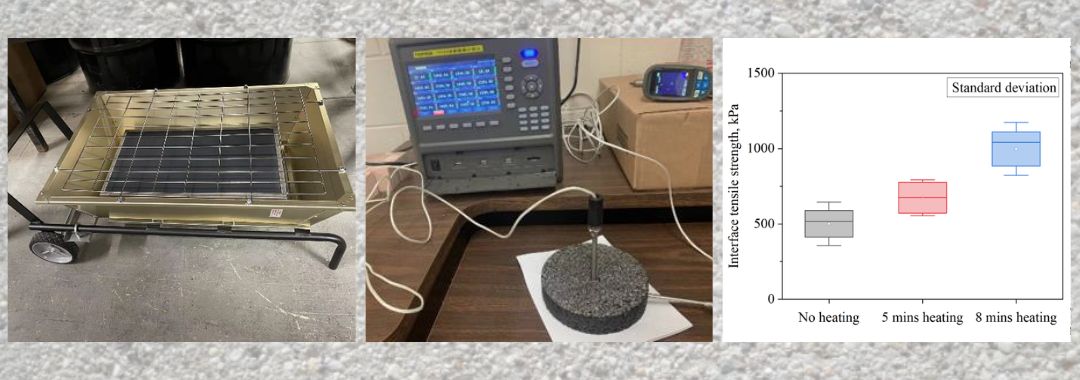
Field repair of pothole using induction heating.

Pothole repair is a primary maintenance activity for highway agencies. Typically, cold mix asphalt is used for emergency repair and hot-mix asphalt (HMA) for traditional repairs. Usual pothole repair methods include throw and go (roll), edge seal, semi-permanent, spray injection, and full depth repair. Among them, throw and go (roll) method using HMA has been adopted by most transportation agencies for surface patching. However, this common practice largely relies on the usage of HMA. Although the quality of the asphalt patch can be ensured, it presents environmental concerns due to the energy consumption and environmental footprint involved in producing new HMA. To mitigate the impact on the environment, reduce cost and conserve energy, recycled asphalt pavement (RAP) has been widely used as a highly desirable material. The addition of recycled asphalt pavement (RAP) in asphalt mixtures can bring numerous economic and environmental advantages.

Infrared heating test was used in asphalt repair method.

This study sought to investigate an innovative approach to pothole repair using HMA with RAP and preheating. The study investigated two aspects: First, the performance of HMA with different RAP contents were evaluated through laboratory tests to select the most appropriate content. Second, the in-site strength of pothole repair was evaluated with field cores to quantify the benefits of repair quality due to recycled material and preheating.

Both microwave heating and infrared heating were tested, with varying results. Microwave heating was able to warm both the surface and internal materials of the pavement, however, its efficiency was low and the rate of temperature increase was insufficient. Conversely, the infrared heating method proved adept at rapidly heating the top edges and bottom surface of the pothole to high temperatures and was used successfully in pothole repair.

Further tests were carried out adding RAP to HMA patching materials. The results showed that there was greater abrasion loss, reduced IDT (indirect tensile strength), and interface shear strength of patching material had less resistance to moisture as RAP content increased. Nonetheless, with the application of preheating, the overall performance of HMA containing 30 percent RAP was satisfactory, proving that it is feasible to use RAP material for pothole repair.

Concrete Pothole Repair

Photos showing condition ratings for concrete repairs.

Similar to asphalt pavement, concrete structures are prone to deterioration due to vehicles and weathering. Cracks can develop which lead to further deterioration due to chloride infiltration. Thus, a good repair is necessary for maintaining concrete structures. An ideal repair material should be easy to work with under different weather conditions, be fast setting, and possess good durability. Rapid-setting cementitious patch repair materials are popular for repairing small concrete damage and providing a functional repair within few hours.

Based on extensive literature research and several NJDOT practices, three formulations were chosen as the best performing candidates. Workability, strength, and restrained shrinkage cracking of the formulations were investigated. The restraint shrinkage test protocol simulated upper and lower limits of restraint that a repair material undergoes in real applications. The repairs were also cast and placed in external environmental conditions to expose them to natural weathering actions. The cracking behavior was evaluated including cracking spacing and maximum crack width

The investigation led to the identification of three formulations that did not crack for a period of 10 months in field exposure to NJ climate conditions. Typically, rapid set formulations do not shrink after 6 months. The formulations that did crack revealed that an addition of 1 percent of PVA fibers could significantly reduce the maximum crack width. The maximum crack widths observed in all the formulations were an order of magnitude less than the maximum allowable crack width specified by NJDOT (1/32″).

Contemplated Legislation

The research projects were completed at a time when pothole repairs have attracted critical attention from motorists and legislators within the state. In the current legislative session (2024-2025), the New Jersey State Senate voted unanimously to advance a bill that is intended to address concerns about pothole damage to roads and bridges in the Garden State. 

The NJ Senate bill, S862, would require the state DOT to include information about pothole repair projects and their cost in the annual report. The additional information would include reporting on the number of repair projects going on around the state and their cost. The bill includes a separate provision that would require a lifecycle cost analysis to be conducted.  The information would be required to be made available to the public on the NJDOT’s website.  An identical bill, A2596, was introduced in the NJ Assembly during the legislative session.

AASHTO Recognition 

The research project is not only primed to inform the serious legislative issues being raised in Trenton but was recently recognized by the American Association of State Highway Officials (AASHTO) for its contribution to innovation. Every year, the High Value Research Task Force of AASHTO Research Advisory Committee (RAC) holds a national competition to find “high value” research projects throughout the country. In 2024, the Innovative Pothole Repair Materials and Techniques research project was recognized in the Maintenance, Management, and Prevention supplemental category, as described here.


RESOURCES

Wang, Hao, and Xiao Chen. “Innovative Pothole Repair Materials and Techniques Volume I: Asphalt Pavement.” (2024). Final Report. Retrieved here.

Wang, Hao, and Xiao Chen. Innovative Pothole Repair Materials and Techniques Volume I: Asphalt Pavement. (2024). Technical Brief. Retrieved here.

Najm, Husam, Bala Balaguru, Hao Wang, Hardik Yagnik, and Alissa Persad. “Innovative Pothole Repair Materials and Techniques Volume II: Concrete Structures.” (2024). Final Report. Retrieved here.

Najm, Husam, Bala Balaguru, Hao Wang, Hardik Yagnik, and Alissa Persad. “Innovative Pothole Repair Materials and Techniques Volume II: Concrete Structures.” (2024). Technical Brief. Retrieved here.

Asphalt Pavement Pothole Repair with Recycled Material and Preheating. Presentation at NJDOT Research Showcase by Xiao Chen and Hao Wang. Retrieved here (Presentation) and here (Recording).


Interview with “Best Poster Award” Winner at 2023 Research Showcase: “Properties of Cementitious Materials with Reclaimed Cement”

Concrete production is energy intensive, and requires materials that are both challenging, and expensive to acquire. Material engineers are seeking alternative materials that are more cost-effective and carbon-friendly, but also operate successfully as road and building material.  

We spoke with Alyssa Yvette Sunga, a graduate researcher at Rowan University who won the Best Student Poster Award at NJDOT’s 2023 Research Showcase. Her research, “Properties of Cementitious Materials with Reclaimed Cement,” evaluated the characteristics of cementitious materials mixed with varying percentages of reclaimed cement. Sunga and her fellow researchers examined each mixture’s initial setting time, heat of hydration and compressive strength and compared it against ordinary Portland cement. The purpose: to determine if adding reclaimed cement has any effect on the durability and use of cementitious materials. If there is little to no adverse effect, reclaimed cement may help reduce the need for new materials and can reduce the carbon bi-product of concrete. Dr. Shahriar Abubakri (Shah), Ms. Sunga’s supervisor at Rowan University, also joined us for the interview. 


Q. Could you tell us a little bit about your educational and research experience and how you got where you are now as a graduate research fellow at Rowan? 

A. I’m an international student from the Philippines. I graduated from the University of the Philippines – Los Banos in 2017 with a Bachelor of Science in Civil Engineering. After that, I worked in industry from 2018 to 2022. My former undergraduate professors, who were graduate students here [at Rowan], reached out to me asking if I was interested in pursuing graduate studies. I applied and began my Master’s in Civil Engineering in January 2023. 

Q. What interested you about researching the properties of reclaimed cement? Do you hope to continue research in pavement materiality? 

A. The environmental impact of reclaimed materials like cement is interesting to me. Cement production is a significant contributor to carbon emissions, so finding ways to reuse it is essential. Additionally, reclaimed cement presents unique challenges and opportunities in terms of material properties, durability, and performance. 

So, in a way, we’re helping produce less carbon emissions; that’s what interested me about this study. 

I’m currently working on a lot of different concrete projects. We’re hoping to develop more efficient construction approaches, but I also aim to contribute to the development of innovative techniques and solutions that will optimize reclaimed materials in construction projects. We also aspire to collaborate with industry partners and government organizations, so that we can implement these sustainable practices on a full-scale project in the future. 

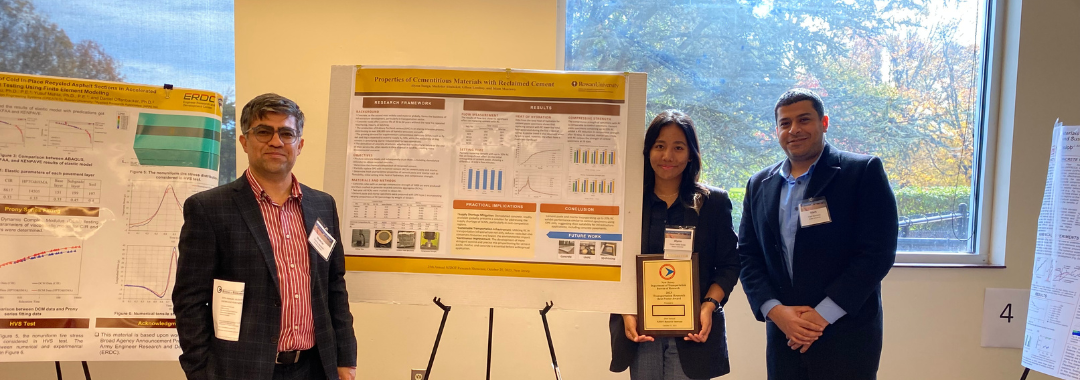
Alyssa Sunga received the Best Poster Award for Student Research At the 25th Annual NJDOT Research Showcase in October 2023.

Q. Was there anything particularly noteworthy or surprising to you discovered from this research? 

A. Yes, there’s potential for reclaimed cement and enhancing the performance of unsustainable construction materials. We did not expect that we could use it as a replacement cement or as a supplementary cementitious material. Through various experiments, we found that using this reclaimed cement or incorporating it in cementitious mixtures resulted in comparable properties such as durability, strength, and workability. 

Q. Your research looked at cement paste and mortar specimens incorporated with up to 20% Reclaimed Cement and found no significant difference for the flow measurement and setting time. Should further research be done with higher percentages of reclaimed cement? Why did your research cap it at 20%? 

A. We’re planning to do further research on larger amounts of reclaimed cement. We just used 20% as a cap to get a general idea of the effect of partially replacing ordinary Portland cement with reclaimed cement. Now that our research with 20% is showing good results, we plan on doing tests with higher percentages in the future. 

Q. Your research found that cement paste specimens with up to 20% Reclaimed Cement (RC) saw a 4% reduction in compressive strength after 90 days. What does this mean for applicability (i.e. is 4% a significant reduction? does this make cement paste with 20% RC not suitable for pavement?) 

A. A 4% reduction may seem small, but it must still be taken into consideration. However, as long as the strength is within a recommended range, then it is suitable for pavement applications. 

Q. Is there a percentage of reclaimed cement that is most likely not suitable for pavement? 

A. Alyssa: My advisor would like to jump in to answer that. 

Shah: The acceptable percentage of reduction in concrete strength depends on the specific application and the assumptions made by the designer. For instance, practical standards like the American Concrete Institute (ACI 301.1.6.6) typically require that the average strength of three samples meets or exceeds the specified compressive strength. Additionally, each individual sample within this set should not fall below 500 psi of the designed strength. It’s important to note that concrete’s compressive strength can vary widely, ranging from 2500 psi to 5000 psi, and even higher in residential and commercial structures. Some applications may require strengths exceeding 10,000 psi. So, in cases where the required strength aligns with the design strength, even higher reductions may be acceptable. 

Q. Mortar specimens with 20% RC had a different result and surpassed the strength after 28 days. Why do you think this was a different result from cement paste specimens? What does this mean for applicability? 

A. This difference in result may be due to different factors, but mortar differs from cement paste due to the additional materials like sand. So, this can influence the hydration and the strength development, but we still need to do further research to understand the long-term performance and durability or the effect of adding different materials to the cementitious materials.  

We still must do further research to see the effects of adding different materials like sand and gravel to cement paste. If we’re going to use it in concrete, that’s another additional material like an aggregate. It’s just a matter of the specific materials. There are a lot of factors — like the temperature where you make your specimens. So, it’s always just trial and error. There’s no trend to it really. 

Q. Your poster suggests that incorporating up to 20% RC has some promising benefits including reducing carbon emissions. What are some of the other benefits?  

A. Incorporating the 20% RC will help mitigate supply shortages because we’re able to provide an alternative source of material instead of just using cement. It also promotes eco-friendly construction practices, contributing to sustainable transportation infrastructure, and research on reclaimed cement enables ongoing enhancements in material performance and construction methods. 

Q. You have mentioned throughout this interview where there’s a need for more research. Can you describe some specific things that you would really like to research about incorporating reclaimed cement into cementitious materials? 

A. The most important part of this research is determining what is the optimal mix proportions to use and then studying the effects on fresh properties and assessing the long-term durability like compressive strength, the tensile strength. These investigations are crucial for understanding the full potential of reclaimed cement in construction. Personally, I’m deeply interested in exploring these research areas further. 

Q. What kind of impact do you hope this research will have on material selection by transportation agencies? 

A. I hope this research convinces transportation agencies to use reclaimed cement in pavements. It’s sustainable, cost effective and performs well — aligning with transportation agencies’ goals and standards. This could lead to a greener and more resilient transportation infrastructure. 


Resources

Sunga, A., Abubakri, S., Lomboy, G., Mantawy, I. (2023). “Properties of Cementitious Materials with Reclaimed Cement”. Rowan University Center for Research & Education in Advanced Transportation Engineering Systems. Poster.

Yvette Sunga, A., Abubakri, S., Lomboy, G., & Mantawy, I.M. (2024). Properties of Cementitious Materials with Reclaimed Cement. Presented at IABSE Symposium: Construction’s Role for a World in Emergency, Manchester, United Kingdom, 10-14 April 2024, published in IABSE Symposium Manchester 2024, pp. 428-434. Retrieved at: https://structurae.net/en/literature/conference-paper/properties-of-cementitious-materials-with-reclaimed-cement

For more information about the 25th Annual NJDOT Research Showcase, and to see other award-winning posters, visit: Recap: 25th Annual NJDOT Research Showcase – NJDOT Technology Transfer (njdottechtransfer.net)

Testing Biometric Sensors for Use in Micromobility Safety

Biometric sensors have long been used in cognitive psychology to measure the stress-level of individuals. These sensors can measure a variety of human behaviors that translate as stress: the movement of eyes, stress-induced sweat, and heart rate variability. Recently, this research strategy has moved beyond psychology and into disciplines like transportation planning, to provide an alternative approach to researching micromobility and stress.  

We spoke with Dr. Wenwen Zhang, associate professor at the Edward J. Bloustein School of Planning and Public Policy at Rutgers University, about her experience learning about and using biometrics for a micromobility study. Dr. Zhang’s research, “Rider-Centric Approach to Micromobility Safety” examines the stress levels of micromobility users as they transverse a varied path through an urban space.  


Q. How is your research funded? 

A. Funding comes from multiple sources. The first source is a seed grant from the Rutgers Research Council which supports an interdisciplinary pilot project. Through this grant, we purchased biometric sensors and hired students to conduct a literature review and develop a research design. We also processed the collected pilot data and paid for participation incentives under this funding. I presented preliminary findings from this study, Rider-Centric Approach to Micromobility Safety, at the 2023 NJDOT Research Showcase. At the time that I presented it, I had 24 samples. The presentation ended up inspiring several people who attended the Research Showcase to volunteer as participants—which increased the sample size to 30.

Our other source of funding came from an external grant from the C2Smart University Transportation Center (UTC) at NYU. We used this resource to support obtaining additional stress sensors, data analysis, cleaning, preprocessing, and modeling, as well as collecting more sample data for the E-scooter and bicycle experiments.

Q. How did you get interested in using biometrics sensors (e.g., eye tracking glasses, galvanic skin sensor, heart rate monitors) to study micromobility safety? How does this research differ from your past work? 

A. Before I used biometric sensors, most of my work used passive travel behavior data. For example, to determine the revealed preferences of mode and route choices and risk factors, we used travel trajectory or existing crash big data to develop statistical models. I have found that the entire process is very passive, especially since we only explore risk factors after traffic accidents. It’s surprising that in the research field today we know so little about how human beings actually navigate urban environments while using different travel modes and how it relates to perceived safety. I wanted to explore questions like what is their gaze behavior? How do they feel while they travel using different modes? How do they feel traveling on roads with different design features and how is that going to influence their travel satisfaction or experience overall? 

Dr. Robert Noland, Distinguished Professor at the Rutgers Bloustein School, suggested I investigate the use of biometrics in planning studies. As I dug more into the literature, I realized that biometrics in transportation is a very fascinating topic that I wanted to get into. Once I did experiments in the field, I realized that I really enjoyed talking with different people about how they perceive the built environment while they travel. Biometrics provide richer data compared with revealed preference data that I used to work with.

Q. In your research, you noticed that some corridors were more stress-inducing (according to biometric sensors) than expected, despite properly designed safety infrastructure. How do you think this discovery may affect how planners and engineers look at urban road design and micromobility safety? 

 A. This study collected one-time cross-sectional data. We asked people to walk around an area and tell us whether they feel stressed or not. If they are feeling stress, even in the presence of a safety improvement, it does not necessarily mean that the implemented safety design is not working. For example, in New Brunswick, we observed that a lot of people found it stress-inducing to cross Livingston Avenue, although it has been the subject of a road diet and has several pedestrian safety features incorporated into the new design. While outside our scope of research, one way to understand the impact of the safety infrastructure would be to conduct a “before” and “after” study. This leaves an opportunity for more research, to see how effective the pedestrian-only infrastructure is in reducing stress level. Potentially, it can provide evidence to support pedestrian-only design. Biometric sensors used in a “before and after” study can help us to answer which infrastructure is more preferred. 

Q. You are in the process of collecting data for cyclists and e-scooters using the same method, what are your principal objectives in addressing this segment? Do you expect the results to be different?

Dr. Zhang conducted one pilot e-scooter experiment at Asbury Park, NJ in 2022 to test out the devices and examine how to set up research experiments. She equipped the e-scooter rider, Dr. Hannah Younes, post-doc researcher at the Rutgers Bloustein School, with an eye tracking glass, a GSR sensor on the hand, and a 360-degree camera on top of the helmet.

A. Yes, absolutely, different travel modes will likely alter a person’s expectation for a safe travel environment. For example, we noticed a big difference in the enjoyment of pedestrians and e-scooters on the same path through a park. We had thought that the e-scooter users would enjoy the ride as the pedestrians had, however, the pavement was too rough for the small wheels of the e-scooters. Although the park was walking-friendly, it was not friendly for e-scooters. This shows that each of these micromobility modes needs different kinds of support to feel safe and comfortable.

Q. What are the limitations to this study? Do you have plans for future research to address this? How would you like to expand your research in this topic?

A. Each of the biometric sensors has limitations. For example, eye trackers face some difficulty when identifying the pupils of a participant in direct sunlight. As a result, the eye tracker renders a low eye tracking rate. Eye trackers also work better with darker eyes as the eye movements are more readily recognized. The eye trackers, kept on glasses, also restrict individuals who wear glasses from participating. The unfortunate result of this is that it often excludes a lot of senior people from the experiment. This issue may be alleviated as we are obtaining additional funding to obtain prescription lenses for eye trackers.

GSR sensors use low voltage on skin to measure skin conductivity, which may interfere with electric health devices. This limits individuals from participating if they have an electric health device like a pacemaker on or in their body. We purposefully excluded this population from participating to align with IRB (Institutional Review Board) protocol and to mitigate any risks.

Another limitation of the study is that we must collect sample data one by one, which is a time-consuming process. We can only collect a very small sample compared to a traditional statistical model kind of study, which may have access to thousands of records in the sample. From our literature review, biometrics sensor studies typically involve 20 to 30 participants, but for each participant we have a very rich dataset. For each participating volunteer, we end up with over one gigabyte of data. The limited number of participants may make it harder to generalize results to the entire population, and people may question the results applicability. In some ways this data is similar to the results of qualitative studies, where we have richer information but small sample size, rendering some generalizability issues. 

Feelings of safety were measured using the traditional self-report survey as well as biometric trackers like Heart Rate Trackers, Eye trackers and GSR (pictured above).

Q. What challenges have you found in working with biometrics sensors, or in the interpretation of output measures?

A. The eye tracker and heart rate measures are reliable, but some biometrics have posed challenges. The GSR (galvanic skin response sensor), which tests your sweat level, is very sensitive to humidity and time of the day. The sensor also picks up on sweat resulting from physical exertion, making it difficult to distinguish between stress-induced sweat and physical sweat.

Interpretation of output measures for this metric requires data cleaning and processing to eliminate the effect of sweating from physical exertion. We try to decompose the data to separate the emotional peak from the sweating caused by physical activity using various algorithms. We are still underway testing out different algorithms to clean up the data. So far, we have found that GSR data are very real-time in nature and a good indicator for stress level but are very noisy data and requires some manual processing. This means we spend a lot of time preprocessing the collected data before conducting data analysis. 

Q. How do you expect this research to inform transportation agencies in New Jersey and elsewhere?

A. This type of research captures such rich data on travel behavior itself. Most of the literature using biometrics has been focused on driving, so this research expands the perspective. Here we’re focusing on slow mobility, like active travel and micromobility. Individuals who participate in slow mobility are more vulnerable road users, and we want to see how they behave in different travel environments. This can help agencies gain more insights into how to design safety infrastructure. Beyond that I can also envision the technology being used to evaluate whether certain improvements or infrastructure designs help to improve travel satisfaction or improve people’s experience at the same location by doing “before and after” studies. This type of study also allows you to measure and quantify the effect of the improvement. 

The use of biometric sensors in the field can also be used to foster meaningful public engagement processes to show the lived experience of different people in a neighborhood or traveling through a different corridor, which can be very powerful.

Q. Do you feel the research methods are at a stage where they are “ripe” for use on other demonstration projects, planning or project development studies?

A. After one year of experimentation, our project team can readily work with biometrics. We have a good understanding of sensor limitations and how to set up the sensors to correctly reduce noise as much as possible. Our experience has also helped determine what kind of metrics can be extracted successfully and reliably through the sensors.  

The most useful case for those sensors is to evaluate before and after, so that we can quantify how much people appreciate those implementations in a more accurate way. Beyond that, the sensors can also be effective infrastructure assessment tools. For example, imagine that you ask people to wear biometric sensors and do a bicycle infrastructure evaluation; the agencies can get more realistic and rich data compared with a more traditional survey approach. This rich data can help determine the most effective improvement. It ends up being more inclusive that way.

The tools can be very useful for fostering community engagement with vulnerable populations. For example, if agencies want to improve the accessibility for wheelchair users, they can ask individuals in wheelchairs to wear the sensors and move about an area. Recording and reviewing how they experience a journey is more powerful compared with just asking individuals with needs about their travel patterns. It’s going to be a more straightforward way to show the world how we can make the streets more inclusive for those vulnerable populations. 

Q. Do you think local governments and non-governmental organizations could make use of biometrics sensors as a strategy to promote community engagement and outreach to local communities, or to address specific community safety or livability issues?  Would it be cost-prohibitive to employ such tools for such community-based planning issues at this time?  

A.  From my point of view, the most effective way would be for the agencies to identify where there are needs and promising projects and then work with skilled researchers or practitioners who have these sensors already and have begun to climb the learning curve in the use of sensors and interpretation — for example, they could work with us. They would need to pay for the researchers’ time and participation incentives, or if they were to collaborate with a UTC (University Transportation Center) to conduct such research collaboratively.  

The sensors are not the most expensive part of the study. The most expensive item is the researcher’s time to collect and analyze the data. The data are very complicated to analyze in the first place because it’s a large amount of data with noises. The researchers need to put in a lot of time to get it to the state where you can extract the relevant variables out and start to interpret them.

Q. How would you characterize the “state-of-training” in using biometrics for students or early career or mid-career professionals in transportation?    

A. The biometric sensor itself is not very new, but new to the transportation field, especially for slow modes. It has been widely used in cognitive psychology, where there are classes to interpret those as well. Generally, I don’t think the current transportation and urban planning curriculum for students includes enough classes to cover those sensors. We probably need to teach not only biometric sensors, but urban sensing in general. 

In an ideal course, students could get their hands dirty by putting those sensors in the field and then once the data are collected, they can learn how to preprocess and analyze the data. It would have to be a one-year kind of curriculum design to get people involved and ready for it. Of course, instruction on the use of sensors will differ by topic. For example, if you are working in the air quality field, then there are many different air quality sensors and each of them come with different data formats and require different experiment design and analytic skills.

Regarding the mid-career transportation professional, at this moment I believe the research is more in the academic field and focusing on testing and evaluation. I wouldn’t suggest that the research is so ripe that a mid-career transportation or urban planner professional should need to invest their time in learning how to use biosensors unless they have a research project that may benefit substantially from using the sensors.  


Resources

To learn more about the use of biometrics in the field of active transportation, see:

Ryerson, M., Long, C., Fichman, M., Davidson, J.H., Scudder, K.N., Kim, M., Katti, R., Poon, G. & Harris, M., (2021). Evaluating Cyclist Biometrics to Develop Urban Transportation Safety Metrics. Accident Analysis & Prevention, Volume 159, 2021. Retrieved from https://www.sciencedirect.com/science/article/pii/S0001457521003183?via%3Dihub

Fitch, D.T., Sharpnack, J. & Handy, S. (2020). Psychological Stress of Bicycling with Traffic: Examining Heart Rate Variability of Bicyclists in Natural Urban Environments. Transportation Research Part F: Traffic Psychology and Behavior, Volume 70, 2020, Pages 81-97. Retrieved from https://www.sciencedirect.com/science/article/pii/S1369847819304073?via%3Dihub.

To read more on Dr. Zhang’s work, see:

Zhang, W. (2023). Rider-centric Approach to Micromobility Safety. 25th Annual NJDOT Research Showcase. Presentation. Retrieved from https://www.njdottechtransfer.net/wp-content/uploads/2023/11/Zhang-Safety-2nd-Presentation.pdf.

Zhang. W. 25th Annual NJDOT Research Showcase. Recording starts at: 59:00. Retrieved from https://youtu.be/D_rQP-Dv8gU

Zhang, W., Buehler, R., Broaddus, A. & Sweeney, T. (2021). What Type of Infrastructures do E-scooter Riders Prefer? A Route Choice Model. Transportation Research Part D: Transport and Environment, Volume 94, 2021. Retrieved from https://www.sciencedirect.com/science/article/pii/S1361920921000651.

For more information about the use of biometrics in the broader transportation field, see NYU’s C2SMART’s research project on Work Zone Safety:

Ultra High-Performance Concrete (UHPC) Applications in New Jersey – An Update

UHPC for Bridge Preservation and Repair is a model innovation that was featured in FHWA’s Every Day Counts Program (EDC-6).  UHPC is recognized as an innovative new material that can be used to extend the life of bridges. Its enhanced strength reduces the need for repairs, adding to the service life of a facility.   

This Q&A article has been prepared following an interview with Jess Mendenhall and Samer Rabie of NJDOT, who provided an update on the pilot projects of UHPC around the state. The interview has been edited for clarity. 

Q.  While EDC-6 was underway, we spoke with your unit about the pilot projects being undertaken with UHPC.  Some initial lessons were shared subsequently in a featured presentation given to the NJ STIC.  Can you update us on results of those projects, and did they yield any benefits in the fields of safety or environmental considerations?

For the NJDOT Pilot Project, the thickness of the overlay was limited by the required depth for effectiveness, as well as the cost of the UHPC material and environmental permitting. To mitigate environmental permitting, we avoided any modifications to the existing elevations and geometry of the structure. Essentially, any removal of asphalt and concrete needed to be replaced to its original elevations.

UHPC overlays can significantly extend the service of bridge decks and even increase a structure’s capacity. Although safety improvements were not the primary objective of this application, there were rideability and surface drainage considerations in the design to enhance the conditions for the road users.

The environmental impacts of structural designs must be compared on the cradle-to-grave use cycle of the design at a project scale.  Having a focus on sustainability is imperative; however, it is more meaningful when resiliency is also considered.  While the greenhouse gas emissions of a volume of UHPC are higher than those of the same volume of concrete, UHPC enables the reduction in the amount of material required in structural designs and improves the durability of structures. Its exceptional compressive strength and toughness allow for the reduction of material usage. By minimizing maintenance requirements and extending the lifespan of infrastructure, UHPC reduces the consumption of materials, energy, and resources over time.

For example, we installed this overlay on 4 bridges as a preservation technique. Had we done nothing, they would have lasted approximately 10 more years. During that time they would have needed routine deck patching resulting in further contamination of the decks and in a condition that is no longer preservable and requires total deck replacement, with large volumes of concrete and much more environmental impact.

UHPC allowed us to take these decks that are still in decent shape and preserve them now with a relatively thin layer to make them exceed the service life of the superstructure and substructure.

Q. Has UHPC been incorporated into the design manual?

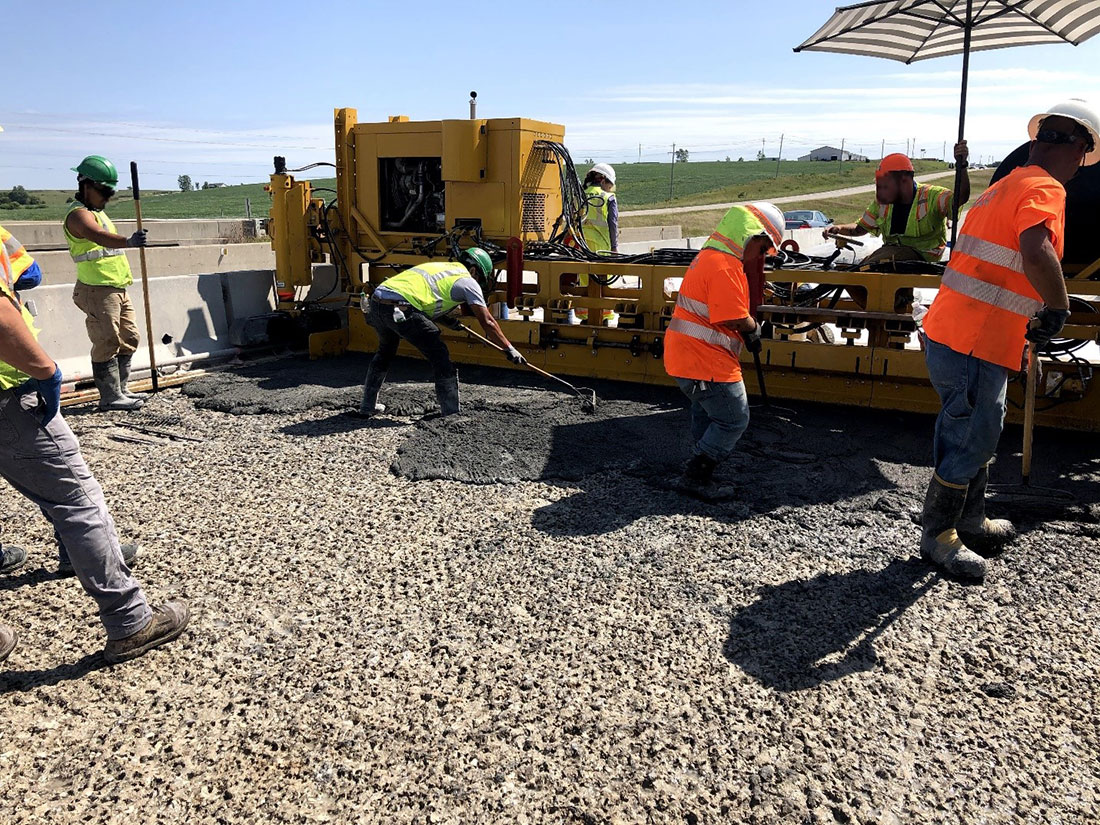
Figure 1. UHPC being placed by workers

It is not in our current design manual, but we are working on the revised design manual. UHPC is presently being used for all closure pores between prefabricated components, overlays, and link-slabs. I don’t think we are ready to standardize it quite yet. We used it on the 4 bridges and it will continue to be used, but we will not standardize it until the industry is more predictable and we get more experience to develop thorough guidelines and specifications. It is incorporated into projects as a special provision with non-standard items.

Q. Have you been receiving more requests to use this technology from around the state?

It is much more commonly specified by designers or requested for use on many of our projects. We have responded to nationwide inquiries from state transportation agencies and universities seeking our specifications or input on specific testing and procedures.

Q. What efforts do you think can be taken to encourage more adoption amongst local agencies, counties, etc.?

We are keen on inviting the counties to any training or workshop that we are hosting as well as sharing our lessons learned thus far.  I think they are aware of it.

Q. What kind of hurdles do you think exist that may limit widespread adoption?

It is possible that initial cost and industry experience with the material are still major limiting factors in adoption. We have also learned from specialty UHPC contractors that the innovation and availability of construction equipment geared for UHPC implementation are also lacking.  Bringing into focus the life cycle costs and with more implementations, we think many of these hurdles will be overcome. Additionally, once UHPC is used more in routine maintenance the implementation would be more frequent and widespread; we know there is interest specifically in UHPC shotcrete once it is available.

Q. Are you familiar with any training, workshops, or conferences that have been done for staff or their partners on this topic?

We participated in the Accelerated Bridge Construction (ABC) conference in Miami, Florida, the International Bridge Conference (IBC) in Pittsburgh, Pennsylvania and the New York State DOT Peer Exchange. In Delaware, we presented at the Third International Interactive Symposium on UHPC. We also participated in the development of a UHPC course for the AASHTO Technical Training Solutions (TTS formerly TC3) which is now published on the AASHTO TTS portal and available on our LMS internally. 

Q. Do you think there is any special training needed for the construction workforce to start using this technology?

Absolutely, the AASHTO TTS course and the EDC-6 workshops are geared towards the design and construction, TTS is more focused in the Construction. It’s an introduction to what to expect and how to implement it. UHPC is often used for repair projects, and many contractors may not have the experience or comfort with using the material.

Figure 2. UHPC Testing at Rutgers’ CAIT

Q. What are the results of the pilot projects of UHPC?

This Pilot projects program demonstrated that UHPC overlays can be successfully placed on various structures, the work can be completed rapidly to minimize traffic impacts — we estimated roughly four weeks of traffic disruption per stage, and the benefits of UHPC can help preserve the existing infrastructure. Compared to deck replacement, UHPC overlays can rehabilitate a bridge deck at exceptional speeds with unique constructability and traffic patterns, as implemented in all four structures. However, limitations exist, and further research is necessary to investigate the issues identified in the pilot project, but the potential of this material outweighs the existing limitations.

Q. Has there been long-term testing data developed to gather performance data?

To assess the performance of the UHPC overlay, we put together a testing program to include NDT as well as physical sampling and lab testing. This objective will be accomplished by first establishing baseline conditions through an initial survey followed by periodic monitoring of the UHPC-overlaid bridges over succeeding years. This will help NJDOT assess the performance of UHPC as an overlay. Overall, the results show the overlay bond is performing well.

Q. Has the data from the pilot project been used to research further applications?

Further applications for UHPC overlay are on new bridge decks/superstructures, and the data from UHPC overlay research project are being used for these projects. There is an interest in header reconstruction with UHPC. If deck joints need to be replaced, they should be constructed with conventional HPC with UHPC at the surface to provide the same overlay protection over the entire structure. Also, self-consolidating and self-leveling UHPC was preferred for the full-depth UHPC header placement to ensure proper consolidation around tight corners and reinforcement. This will be further explored for maintenance operations as well.

For future projects, in lieu of full-depth header reconstruction in a single lift, a partial depth header removal and reconstruction or alternatively two lifts of header concrete should be evaluated to coincide with the deck overlay, in which case the benefits of the fast cure times from UHPC can still be realized. Two of the four bridges experienced air voids throughout the placement. A UHPC slurry with no

fibers was placed in the identified air voids; since the voids contained exposed fibers, they were considered to create adequate bonding with the UHPC slurry.


Update (June 2025): 

Currently, NJDOT has not incorporated UHPC into the standard specifications, and no baseline document change has been issued to update the 2019 standard specifications to include UHPC. Due to rapid changes in the guide specifications, UHPC requirements are integrated into project documents as project specific special provisions, allowing for flexibility in updates. Future plans include incorporating UHPC into the standard specifications and issuing a baseline document change after the new draft bridge design manual is published.

NJDOT Special Provisions for UHPC Overlays


Resources

NJDOT Technology Transfer (2021, November). Stronger, More Resilient Bridges: Ultra High-Performance Concrete (UHPC) Applications in New Jersey.  Interview with Pranav Lathia, Retrieved from:  https://www.njdottechtransfer.net/2021/11/29/uhpc-stronger-more-resilient-bridges/

Mendenhall, Jess and Rabie, Samer. (2021, October 20). UHPC Overlays for Bridge Preservation—Lessons Learned. New Jersey Department of Transportation. https://www.njdottechtransfer.net/wp-content/uploads/2021/11/NJDOT-UHPC-Overlay-Research-Project-EDC-6-Workshop.pdf

New Jersey Department of Transportation. (2021, October 20). NJDOT Workshop Report. New Jersey Department of Transportation. https://www.njdottechtransfer.net/wp-content/uploads/2021/11/NJDOT-UHPC-Workshop-Final-Report.pdf

Rabie, Samer and Jess Mendenhall (2022, December). Design, Construction, and Evaluation of UHPC Bridge Deck Overlays for NJDOT.  NJ STIC Presentation and Recording.  Retrieved from:  https://www.njdottechtransfer.net/2022/12/18/nj-stic-4th-quarter-2022-meeting/

Safety Behavior and Gender Split Differences in Micromobility: A Q&A Interview with Researcher


Q. How was your research funded?    

This work was supported by the National Science Foundation under a grant called “Making Micromobility Smarter and Safer”. The lead on this is Dr. Clint Andrews at Rutgers University and there are several other principal investigators. My study acts as a part of this multi-year research.  

Q.  Can you share a brief overview of your findings? Are the results surprising or unique compared to past research?    

We are one of the only studies comparing the safety behavior of cyclists and e-scooter users across genders. Without considering gender, we found that one-third of cyclists wore a helmet. We also found in our observations that e-scooter users did not wear a helmet. It speaks to how important it is to have safe micromobility infrastructure, especially knowing that people are unlikely to wear a helmet. In the U.S., even if you give everyone a helmet, they’re probably not going to wear it. That’s just how it is. Keeping people safe in other ways is paramount.  

We also found that a greater proportion of women were using e-scooters than bicycles. This is important because cycling has long been a male-dominated mode of transportation, for a variety of reasons. That is true across the world. There are studies that suggest women are less likely to cycle to work because of clothing like wearing a skirt or dress or heels, or fears of sweating. E-scooters remove that hurdle since they are not as prohibitive in terms of clothing and require less physical exertion. So, the vehicle type itself may make a difference. Moreover, women place more importance on bike lane infrastructure than men.  If we are seeing that e-scooters are the preferred mode for females, perhaps e-scooters can help narrow the gender gap in micromobility. 

Q.  Can you talk a little bit about the methods used for this study? How are these methods different from past research? Why did you choose to use traffic cameras for your observations?

This work was done using manual observations, a common method in micromobility studies. Previous research had used observations collected in the field. Instead of having observers in the field, we observed traffic camera footage at one intersection. Because we were observing gender and race as well as group behavior, the footage was useful as it allowed us to pause when needed. It was also less resource intensive than having a person stand in the field since no travel expenses were associated with the analysis.  

Q.  What challenges have you found in working with and interpreting traffic camera footage? With the improvement of AI technologies, do you think there will be an opportunity to automate this process in the future?  Are there any limitations you expect from this type of innovation?  

It is very time consuming and tedious to analyze this much camera footage. We analyzed 35 hours of footage. I would love to have analyzed more, but you have to draw the line somewhere depending on the resources available for the research or project study. Most of the time, we fast forwarded until a micromobility user was detected, but it still requires undivided attention. There is a possibility with current technology to incorporate AI technologies: to use computer vision to detect humans, which then can be manually viewed by a human to assess micromobility mode, gender, and helmet use. This would likely reduce the manual labor… It would be interesting to compare the computer vision model to the work I have done… Nonetheless, computer vision does not differentiate properly between pedestrians and e-scooter users, so it is prone to misidentification, which would lengthen the time taken to observe manually.  

At this point, computer vision cannot detect gender, helmet use, and group riding properly from traffic camera footage. More high-resolution images would be needed to differentiate gender and helmet use (like unobstructed face images) and group riding requires context clues like making eye contact, waiting for one another, etc. AI has the potential, but it is not there yet.  As time consuming as it is, I am confident that we detected every person, which is why we chose to observe the footage ourselves.  

Q.  What are the limitations of this study? Do you have plans for future research to address these?  How would you like to expand your research on this topic?   

The main limitation is the geographical scope of this research; it’s a lot of work for one city. We only analyzed the behavior of micromobility in one location, Asbury Park. It isn’t clear how much the results will translate from one location to another. Mode of transportation and behavioral use depends on many different factors that vary from location to location. There is evidence that the gender gap is smaller for e-scooter users in Brisbane, Australia, but not to the extent observed in Asbury Park. Same goes with helmet use. A larger scale study would be useful. Other limitations include the types of micromobility modes: we only observed shared e-scooters and privately owned bicycles in Asbury Park. So, we’re comparing two different vehicles and two different share types to one another. When analyzing the data, we must consider both of these factors. For example, are behaviors attributed solely to the vehicle or to the share type? Probably both. When you’re looking at the gender gap, is it because it’s an e-scooter or is it because it’s shared that there is a narrower gender gap?  

 An analysis comparing shared and privately owned e-scooters with shared and privately owned bicycles would be great. Differentiating between e-bikes and bicycles would be great too, although the resolution of traffic camera footage makes it very hard to differentiate between the two. Even with an observer onsite, it would be hard to detect, so you would need a survey, but this could alter behavior. In Asbury Park, a lot of people have privately owned e-scooters now, so we could do another study in 1.5-2 years and get additional insights in the same location.  

E-bikes are a growing mode of transportation, but even with traffic camera footage, it is very hard to tell an e-bike apart from a bicycle, so maybe in that case you would need somebody on site actually observing. You’re losing the ability to pause footage, but it might be more useful if you’re looking at e-bikes. Race and age were also very difficult to observe from the footage. It could be easier if someone was in person to observe in addition to the traffic camera footage. Even then, without asking directly the age and race/ethnicity of the user, there will be bias. There are a lot of different things to consider; it really depends on what the question is.  

Q.  How would you like this research to inform transportation agencies and practitioners in New Jersey and elsewhere?    

There are several key points. Users of shared e-scooters and privately owned bicycles are different and behave differently. E-scooter users are more likely to take risks like not wearing a helmet or riding on the road. Planners must ensure that the infrastructure keeps them safe. That is, implementing dedicated protected bike lanes that are connected to a greater network and adding traffic calming measures to slow the speeds of motor-vehicles like raised crosswalks or narrower traffic lanes.

Understanding the reasons behind lane use is important as well, as there are concerns for pedestrian safety. Our research observed that lane use was different; for example, 7 percent of male cyclists rode on the sidewalk, compared to 28 percent of female e-scooter users.

Additionally, having a shared e-scooter system in a city can increase female participation in micromobility use. It is a more gender equitable mode than bicycles. Other agencies might want to implement an e-scooter share program in their town.  

Q.  Your research shows that women were more likely than men to ride on the sidewalk while using an e-scooter or bike. Given that this strategy is illegal in most parts of the country, how can planners, engineers and policymakers use this information to increase feelings of safety for female micromobility users?     

This is really interesting. From my research, there is not a lot that I could say. Implicitly, one of the reasons for someone to ride on the sidewalk instead of the road is that they feel safer on the sidewalk. There is a need to ensure that micromobility users feel just as safe on the road–that is, implement a dedicated and protected bike lane, and provide a clear separation from motor-vehicles.

From our work, we know that there are other more complex factors at play: our research had clear results for road lane use with the implementation of the bike lane, but less clear ones for sidewalk use: sidewalk use was not significantly reduced by the presence of a pop-up bike lane. To encourage safe road use, ensuring a complete network would be a start. The pop-up bike lane was not connected to another bike lane going downtown, for instance. If you’re already coming downtown on the sidewalk, you might be more likely to stay there given the existing curb that would need to be crossed to go from the sidewalk to the pop-up bike lane.  

Q.  NJDOT is sponsoring a program to ensure the implementation of the Statewide Bicycle and Pedestrian Master Plan. In what ways could this master plan or a future one align with the findings in your study?  

The results of this study reinforce that implementing a bike lane provides a layer of safety for micromobility users. Nearly all the increase in bike lane usage came from a reduction in traffic lane usage, not in sidewalk usage. There is so much research out there that shows that bike lanes save lives; in the case of a crash, someone in a bike lane is less likely to be injured. Ensuring that plans accommodate both bicycles and e-vehicles–like e-bikes and e-scooters–is also paramount.  

Q.  The Biden Administration has set a goal to achieve a net zero emissions economy by 2050. How might a shift toward micromobility help the nation reach its climate and carbon emission goals?    

Bicycles are zero emission vehicles. E-bikes and e-scooters produce few emissions, especially privately owned ones since they don’t require rebalancing. Rebalancing shared vehicles requires a car or van and those gasoline emissions are absorbed by those shared e-scooters. Having an e-vehicle do that for rebalancing helps to reduce those emissions. Bicycle-friendly infrastructure, which reduces motor-vehicle infrastructure such as the number of traffic lanes, or parking, can also reduce motor-vehicle use and induce more environmentally friendly travel.   

Q.  How could a focus on reaching these climate goals impact the way that planners and engineers design streets?    


Resources

Blickstein, S.G., Brown, C.T., & Yang, S. (2019). “E-Scooter Programs Current State of Practice in US Cities.” Retrieved from https://njbikeped.org/e-scooter-programs-current-state-of-practice-in-us-cities-2019/

Marshall, H. (2023). “How do Female Cyclists Perceive Different Cycling Environments? – A Photo-elicitation study in Stockholm, Sweden.” Retrieved from https://gupea.ub.gu.se/handle/2077/78209

NJDOT Technology Transfer. (2020). “Tech Talk! Launching Micromobility in NJ and Beyond.” Retrieved from https://www.njdottechtransfer.net/2020/02/25/launching-micromobility-in-nj-and-beyond/

NJDOT Technology Transfer. (2021). “How Automated Video Analytics Can Make NJ’s Transportation Network Safer and More Efficient.” Retrieved from https://www.njdottechtransfer.net/2021/11/08/automated-video-analytics/

NJDOT Technology Transfer.(2022). “Research Spotlight: Exploring the Use of Artificial Intelligence to Improve Railroad Safety”. Retrieved from https://www.njdottechtransfer.net/2022/08/19/researchspotlightairailroadsafety

Rupi, F., Freo, M., Poliziani, C., & Schweizer, J. (2023). “Analysis of Gender-Specific Bicycle Route Choices Using Revealed Preference Surveys Based on GPS Traces.” Retrieved from https://www.sciencedirect.com/science/article/pii/S0967070X2300001X

Salazar-Miranda, A., Zhang, F., Maoran, S., & Ratti, C. (2023). “Smart Curbs: Measuring Street Activities in Real-Time Using Computer Vision,” Retrieved from https://www.sciencedirect.com/science/article/pii/S0169204623000348?casa_token=XPecGlOM6UQAAAAA:vnISsmV2aoJ3iVJefEeqjM24R5izcs66bvukCQObjuSWGTNokotT4CG_1h8UfLih16wn3FMg_Jo [DA1] [KR2] 

Von Hagen, L.A., Meehan, S., Younes, H., et. al. (2022), “Asbury Park Bike Lane Demonstration,” Retrieved from https://storymaps.arcgis.com/stories/c014811ac0c14735bc9c9adc2639e88f.

Younes, H., Noland, R., & Andrews, C. (2023). “Gender Split and Safety Behavior of Cyclists and E-Scooter Users in Asbury Park, NJ,” Retrieved from https://www.sciencedirect.com/science/article/abs/pii/S2213624X2300127X#b0055.

Younes, H., Noland, R., & and Von Hagen, L.A. (2023). “Are E-Scooter Users More Seriously Injured than E-Bike Users and Bicyclists?” Retrieved from https://policylab.rutgers.edu/are-e-scooter-users-more-seriously-injured-than-e-bike-users-and-bicyclists/.


Research Underway to Address Travel Needs of Cognitively Divergent Individuals in Complete Streets Plans

The Complete Streets planning approach pushes for a future in which people of all ages and abilities can safely travel. Recently signed NJ legislation takes an important step toward this vision by ensuring that the travel needs of cognitively divergent individuals are addressed in Complete Streets Plans.

In January 2023, Governor Phil Murphy signed S-147 into law, directing the New Jersey Department of Transportation (NJDOT) to update its Complete Streets policy to consider and implement design elements and infrastructure projects that promote the ability of persons diagnosed with autism spectrum disorder (ASD) and persons with intellectual and developmental disabilities (IDDs) to travel independently.

This requirement follows important research conducted by Rutgers CAIT and VTC and funded by NJDOT, in which the travel behavior of over 700 adults with autism spectrum disorder (ASD) was studied. The research concluded that individuals with ASD, seeking to travel independently, experience extraordinary transportation barriers that are complicated by the state’s auto-oriented street design and land uses. With fewer such persons driving cars, an improved network of walking and biking infrastructure opens a world of opportunities for engagement in civic life and to reaching essential destinations via public transportation.

The Complete Streets Summit event will include a session on efforts underway to revise policies to promote travel independence for ASD with IDD persons.

NJDOT has undertaken a project that seeks to address how to accommodate the travel needs of people with ASD and/or IDDs through policy and design. The Department’s Bureau of Safety, Bicycle and Pedestrian Programs has engaged the Rutgers-Voorhees Transportation Center, NV5, Toole Design Group and a working group of NJDOT planners and engineers to assist with addressing the travel needs of cognitively divergent persons – and with meeting the requirements of the legislation.

The research team is developing a primer on Complete Streets and neurodivergence and will use the information gathered to help NJDOT develop universal design guidelines that will ensure the Department’s Complete Streets policy considers the needs of those with ASD and IDDs. The team will be sharing more information at the upcoming 2023 New Jersey Complete Streets Summit on November 1st. Not yet registered? Register Here.

More information on the past and ongoing research underway and how cognitive functioning can differ among members of ASD and IDD populations is summarized in this short article, Complete Streets for Individuals with Autism Spectrum Disorder (ASD) and Intellectual and Developmental Disabilities (IDDs), on the NJ Bicycle and Pedestrian Resource Center website.

Research Spotlight: NJ Transit Grade Crossing Safety

A recently completed research study on NJ TRANSIT grade crossing safety focuses on identifying locations for rail grade crossing elimination. Researchers from Rutgers’ Center for Advanced Infrastructure and Transportation (CAIT), Asim Zaman, P.E., Xiang Liu, Ph.D., and Mohamed Jalayer, Ph.D., from Rowan University, developed a methodology using 20 criteria to narrow a list of 100 grade crossings to ensure appropriate identification for closure. The process helps NJ TRANSIT and New Jersey Department of Transportation (NJDOT) to direct limited funds to areas of greatest need to benefit the public.

Across the country, 34 percent of railroad incidents over the past ten years have occurred at grade crossings. The elimination of grade crossings can improve public safety, decrease financial burdens, and improve rail service to the public.

According to the proposed methodology, the 20 crossings recommended for closure located in Monmouth County (60%), Bergen County (25%), and Essex County (25%).

According to the proposed methodology, the 20 crossings recommended for closure located in Monmouth County (60%), Bergen County (25%), and Essex County (25%).

The researchers ranked grade crossings in New Jersey using the following data fields: crash history, average annual daily traffic, roadway speed, roadway lanes, length of the crossing’s street, weekday train traffic, train speed category, number of tracks, access to train platforms, intersection angle, distance to alternate crossings, distance to emergency and municipal buildings, whether emergency and municipal buildings are on the same street, and date of last or future planned signal and surface upgrades. This process resulted in a final list of 20 grade crossings eligible for elimination.

To understand how this study will be used, we conducted an interview with NJTRANSIT personnel Susan O’Donnell, Director, Business Analysis & Research, Ed Joscelyn, Chief Engineer – Signals, and Joseph Haddad, Chief Engineer, Right of Way & Support.

Q. How will the report inform decision-making? 

It is important to have solid research and strong evaluation criteria, such as developed by this study, on which to base decisions for grade crossing elimination. In addition to the study, we looked at what other state agencies and transit agencies have done with grade crossing elimination, as well as criteria recommendations from Federal Highway Administration (FHWA) and Federal Railroad Administration (FRA). Following up on this study, NJ TRANSIT and NJDOT are considering next steps that would be needed to close the 20 identified grade crossings. In New Jersey, the Commissioner of Transportation has plenary power over the closing of grade crossings.

Q. What other information will be needed to assess these locations? 

Local concerns about grade crossing elimination tend to focus on traffic re-routing, including the possible impacts on neighborhoods, time needed to reach destinations, and emergency vehicle access to all parts of a community. The criteria established by the study addressed these areas of concern. Prior studies have determined that the road networks around the identified locations are adequate to accommodate re-routed traffic. The current research study took into account the findings from those prior studies. As each project moves forward, NJDOT will determine if additional information will be needed.

Q. Is elimination of any of these grade crossings part of NJ TRANSIT’s capital program? 

All of the closings are part of the capital program. Funding for the grade crossing elimination comes from the federal government and NJ TRANSIT. NJ TRANSIT funding is in place to close the crossings.

Q. Are there benefits of the research study beyond identification of the 20 grade crossings?

The research study developed the criteria and process for identifying grade crossings for elimination. This framework can be used in the future to assess other grade crossings for possible elimination. NJ TRANSIT is grateful to NJDOT for funding this important research project to improve safety.

For more information on this research study, please see the resources section below.


Resources

Zamin, A., Alfaris, R., Li, W., Liu, Z. Jalayer, M., Hubbs, G., Hosseini, P., Calin, J.P., Patel., S. (2022). NJ Transit Grade Crossing Safety. [Final Report].  New Jersey Department of Transportation, Bureau of Research.  Retrieved from https://www.njdottechtransfer.net/wp-content/uploads/2023/02/FHWA-NJ-2022-005.pdf

Liu, Z., Jalayer, M., and Zamin, A. (2022). NJ Transit Grade Crossing Safety. [Technical Brief]. New Jersey Department of Transportation, Bureau of Research.  Retrieved from https://www.njdottechtransfer.net/wp-content/uploads/2023/02/FHWA-NJ-2022-005-TB.pdf

Research Spotlight: Calibration and Development of Safety Performance Functions for New Jersey

In 2019, a team of researchers from New York University and Rutgers University examined ways to calibrate and develop Safety Performance Functions (SPFs) to be utilized specifically to address conditions on New Jersey roadways. SPFs are crash prediction models or mathematical functions informed by data on road design. These data include, but are not limited to, lane and shoulder widths, the radius of the curves, and the presence of traffic control devices and turn lanes. With these data, SPFs help those tasked with road design and improvement to build roads and implement upgrades that maximize safety.

The Highway Safety Manual (HSM) presents SPFs developed using historic crash data collected from several states over several years at sites of the same facility type. These SPFs data cannot be transferred to other locations because of expected differences in environment and geographic characteristics, crash reporting policies and even local road regulations. To help SPFs better reflect local conditions and observed data, one of two strategies is usually undertaken to fine-tune SPFs:  calibrating the SPFs provided in the HSM so as to fully leverage these data or developing location-specific SPFs regardless of the predictive modeling framework included in the HSM.

The research team, led by Dr. Kaan Ozbay (of NYU’s Tandon School of Engineering), chose to pursue both of these strategies. The research report, Calibration/Development of Safety Performance Functions for New Jersey, can be found here. A webinar highlighting the research and findings can be found here.  A monograph, supported by the NJDOT funded study and partially by C2SMART, a Tier 1 UTC led by NYU and funded by the USDOT, was also recently published and can be found here.

C2SMART Webinar highlighted the research methods, findings, challenges and technology transfer efforts of the NYU-Rutgers team for this NJDOT funded research project.

SPFs can be utilized at several levels. At the network level, researchers and engineers use SPFs to identify locations with promise for improvement. SPFs can be used to predict how safety treatments will affect the likelihood of crashes based on traffic volume and facility type. SPFs can be used to influence project level design by showing the average predicted crash frequency for an existing road design, for alternate designs, and for brand-new roads.

SPFs also can be used to evaluate different engineering treatments. In this case, engineers and researchers return to a site where a safety countermeasure has been installed to collect and analyze data to see how the change has affected crash frequency. They examine before and after conditions and measure if the prediction made using the SPF was accurate or needs improvement (Srinivasan & Bauer, 2013). In the end, SPFs are only as good as the data used in their development.

NJDOT and the NYU-Rutgers team set out to calibrate SPFs using New Jersey’s roadway features, traffic volumes and crash data, and if necessary, to create new SPFs that reflect conditions in the state. The facility types considered for this research project included segments and intersections of rural two-lane two-way, rural multilane, and urban and suburban roads. In examining these datasets, the researchers identified areas where data processing improvements could be made to enhance the quality or efficiency in use of the data in addition to pursuing the stated goal of developing New Jersey-specific SPFs.

For example, utilizing the data provided by NJDOT, the research team developed methods for processing a Roadway Features Database of different kinds of road facilities. The researchers utilized the Straight Line Diagrams (SLD) database, which offers extensive information about the tens of thousands of miles of roadways in New Jersey, but observed issues and errors in the SLD database that required corrections. For example, the research team utilized Google Maps and Google Street View to conduct a manual data extraction process to verify information in the SLD database (e.g., confirm whether an intersection was an overpass, number of lanes, directionality) and extract missing variables, such as the number of left and right turn lanes at intersections, lighting conditions, and signalization needed for the analysis.

The research team using Google Street View to identify missing data points.

The research team also needed to develop programming code to correctly identify the type and location of intersections and effectively work with available data. The team developed a novel “clustering-based approach” to address the absence of horizontal curvature data using GIS centerline maps.

Utilizing Google Maps (Left) and the state’s Straight Line Database (Right), researchers were able to identify missing paths in the database that contributed to inconsistent data.

Police reports of crashes often have missing geographic identifiers which complicates analytical work such as whether crashes were intersection-related. In NJ, police are equipped with GPS devices to record crash coordinates but this crash information is somewhat low in the raw crash databases before post-processing by NJDOT. The researchers employed corrective methods and drew upon other NJ GIS maps to provide missing locations (e.g., Standard Route Identification or milepost).

The processing challenges for roadway features, traffic volumes and crashes encountered by the research team suggest the types of steps that can be taken to standardize and streamline data collection and processing to secure better inputs for future SPF updates. Novel data extraction methods will be needed to minimize labor time and improve accuracy of data; accurate crash data is integral to employing these methods.

The research team modified the spreadsheets developed by the HSM and used by the NJDOT staff. The calculated calibration factors and the developed SPFs are embedded in these spreadsheets. The users can now select whether to use the HSM SPFs with the calculated calibration factors or the New Jersey-specific SPF in their analyses

The researchers’ data processing and calibration efforts sought to ensure that the predictive models reflect New Jersey road conditions that are not directly reflected in the Highway Safety Manual. The adoption of this data-driven approach can make it possible to capture information about localized conditions but significant expertise is required to carry out calibration and development analyses. With more research—and improved data collection processes over time —the calibration and development of SPFs holds promise for helping New Jersey improve road safety.


Resources

Bartin, B., Ozbay, K., & Xu, C. (2022). Safety Performance Functions for Two-Lane Urban Arterial Segments. Retrieved from https://papers.ssrn.com/sol3/papers.cfm?abstract_id=4175945

C2SMART. (2020, September 23). Webinar: Bekir Bartin, Calibration and Development of Safety Performance Functions for New Jersey . Retrieved from YouTube: https://youtu.be/IRalyvjDaFM

Ozbay, K., Nassif, H., Bartin, B., Xu, C., & Bhattacharyya, A. (2019). Calibration/Development of Safety Performance Functions for New Jersey [Final Report]. New Jersey Department of Transportation Bureau of Research. Retrieved from https://www.njdottechtransfer.net/wp-content/uploads/2020/07/FHWA-NJ-2019-007.pdf

Ozbay, K., Nassif, H., Bartin, B., Xu, C., & Bhattacharyya, A. (2019). Calibration/Development of Safety Performance Functions for New Jersey [Tech Brief]. Rutgers University. Department of Civil & Environmental Engineering; New York University. Tandon School of Engineering. Retrieved from https://www.njdottechtransfer.net/wp-content/uploads/2020/07/FHWA-NJ-2019-007-TB.pdf

Srinivasan, R., & Bauer, K. M. (2013). Safety Performance Function Development Guide: Developing Jurisdiction-Specific SPFs. The University of North Carolina, Highway Safety Research Center. Retrieved from https://rosap.ntl.bts.gov/view/dot/49505